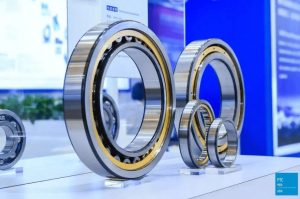
Bearings play a crucial role in mechanical systems by reducing friction between moving parts. They are essential components in machinery, automotive, aerospace, and many other industries.
Types of Bearings
Ball Bearings: Ideal for handling both radial and thrust loads, offering low friction and long service life.
Roller Bearings: Designed to carry heavy loads with greater efficiency, often used in industrial applications.
Material Selection
Steel Bearings: Commonly used for their durability and resistance to high temperatures.
Ceramic Bearings: Known for their lightweight and resistance to wear and corrosion.
Technical Specifications
Size and Dimensions
Bearings come in various sizes, from small ones with diameters of just a few millimeters to large industrial bearings several meters in diameter.
Performance Parameters
Load Capacity: Bearings are rated by their ability to handle radial and axial loads.
Speed: High-speed bearings are designed to accommodate the demands of fast-moving machinery.
Life Span: The expected operational life is influenced by factors like load, speed, and maintenance.
Cost and Efficiency
Budgeting for Bearings
Price Range: The cost of bearings varies widely, from economical options for simple applications to high-end bearings for specialized machinery.
Cost-Efficiency: Investing in quality bearings can reduce maintenance costs and downtime.
Advantages of Choosing the Right Bearing
Reduced Power Consumption: Efficient bearings minimize friction, thereby lowering energy usage.
Longer Machinery Life: Proper bearing selection extends the lifespan of the equipment.
Common Challenges
Material Quality: Lower quality bearings may wear out faster, leading to increased replacement costs.
Speed Limitations: Certain bearings may not perform well at high speeds, impacting overall efficiency.